Old German Gothic: Timeless Charm for Modern Design
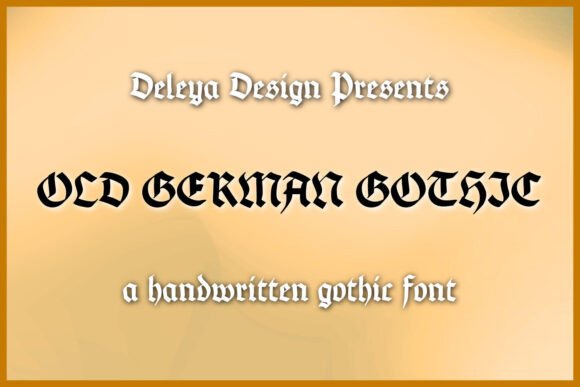
There’s a particular kind of visual power that comes from a font with history. It doesn’t just present words; it carries a story, an atmosphere, a feeling. Old German Gothic is one of those typefaces. It’s a handwritten Blackletter font that feels both ancient and strikingly contemporary. Every stroke has a cool, deliberate rhythm, a sense of craftsmanship that digital fonts often lack. This isn’t just a display font; it’s a statement piece, a way to infuse your work with an unmistakable sense of depth and heritage.
More Than Just a Typeface: The Personality of Old German Gothic
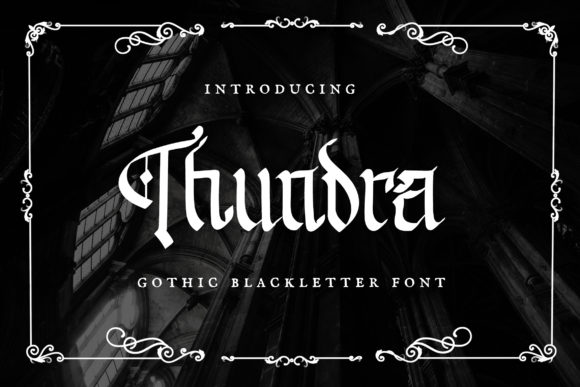
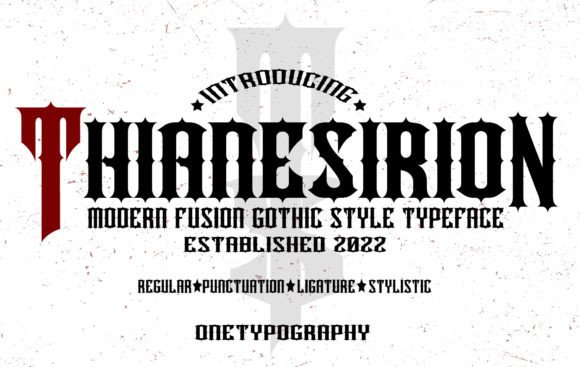
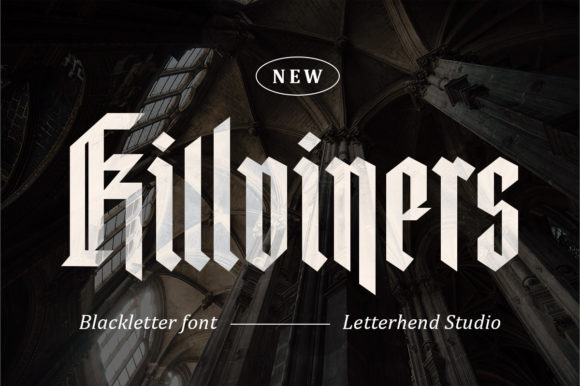
At its core, Old German Gothic is a study in contrast. It embodies the weight and precision of medieval manuscripts while maintaining a fluid, human touch from its handwritten nature. The visual characteristics are unmistakable: bold, condensed letterforms, sharp angular strokes, and intricate serifs that give it a dense, textured appearance. This creates a strong visual hierarchy, making it impossible to ignore. Its personality is one of authority, tradition, and a touch of rebellious cool. It speaks to projects that need to stand out, command attention, and convey a sense of established quality or edgy authenticity.
What truly sets this premium font apart, however, is its thoughtful design for the modern creator. It includes an extensive set of extended glyphs, particularly for punctuation, which solves a common frustration with decorative fonts. More importantly, it’s built for real-world use, supporting multiple languages including English, German, Spanish, Italian, French, and Portuguese. This makes it a versatile commercial font for global projects, allowing your brand identity to maintain consistency across different markets. The included .otf file ensures smooth installation and compatibility, letting you focus on creating rather than troubleshooting.
Where Old German Gothic Truly Shines: Practical Applications
Knowing a font looks great is one thing. Knowing where to use it effectively is where the real value lies. Old German Gothic excels as a creative font for projects that require a strong accent or a focal point. Think of it as the bold headline or the hero element, not the body copy. Its high-contrast design makes it perfect for applications where readability at a distance or at a glance is key.
- Branding & Logo Design: For businesses that want to project strength, heritage, or a counterculture edge, this typeface can form the foundation of a powerful logo design. It’s particularly effective for craft breweries, barbershops, tattoo studios, record labels, or luxury brands with a historical narrative.
- Marketing & Advertising: Use it for event posters, festival branding, or social media graphics that need to stop the scroll. It adds instant impact to packaging design for artisanal goods, creating a shelf presence that feels both premium and authentic.
- Editorial & Publishing: In editorial design, it can create dramatic chapter headings or title treatments for magazines, book covers, and album art. It sets a distinct tone for publications focused on history, metal music, gothic fiction, or avant-garde art.
- Personal & Craft Projects: Don’t overlook its power for personal use. It transforms greeting cards, wedding invitations, or wall art into memorable keepsakes. For crafters and hobbyists, it’s a fantastic design asset for creating custom apparel, decals, or signage with a professional finish.
Strategic Pairings and Readability Considerations
The key to using a Blackletter font like Old German Gothic effectively is contrast. Pairing it with a clean, simple sans serif font for body text is a classic strategy. This allows the Gothic typeface to dominate the headlines without overwhelming the viewer. For a more nuanced look, a simple, geometric serif font can also work, creating a bridge between the historical and the modern. Avoid pairing it with other highly decorative script fonts or ornate serifs, as this will create visual chaos and harm readability.
Readability is a critical consideration. Due to its intricate, condensed forms, Old German Gothic is not suited for long paragraphs or small body copy. Its strength is in display settings: large headlines, single words, or short phrases where its detailed forms can be appreciated. Always test your designs at the intended size and medium. What looks stunning on a poster may become an illegible blob on a mobile screen if used for a website header. This practical testing is a non-negotiable step in any professional web design or print project.
Evaluating Fit and Making the Choice
Before committing to Old German Gothic, ask yourself a few questions. Does my project’s tone align with the font’s personality of tradition, strength, or edgy cool? Is my target audience likely to connect with this aesthetic? If you’re working on a playful children’s brand or a minimalist tech startup, this probably isn’t the right choice. However, if you’re building a brand around craftsmanship, heritage, or a specific subculture, it could be the perfect fit.
Consider the practicalities of your project. Review the full character set to ensure it includes all the symbols and accented characters you need for your specific language. Understand the licensing terms for your intended use, especially for commercial projects. A font pairing exercise is invaluable. Mock up a quick layout with your chosen companion font to see how they interact. Does the Old German Gothic headline command attention while the body text remains clear and inviting? This simple test can save you countless revisions later.
Ultimately, Old German Gothic is more than just a typeface; it’s a tool for adding narrative and visual weight. It’s about tapping into a visual language that has endured for centuries and applying it with a modern sensibility. When used thoughtfully, it doesn’t just make text look different—it changes how it feels, providing an impeccable accent that can elevate a good design into something truly memorable. It’s a direct line to creating work with depth, personality, and an undeniable cool factor.